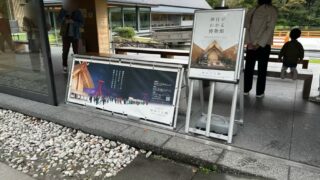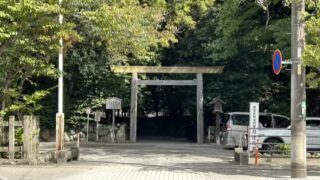
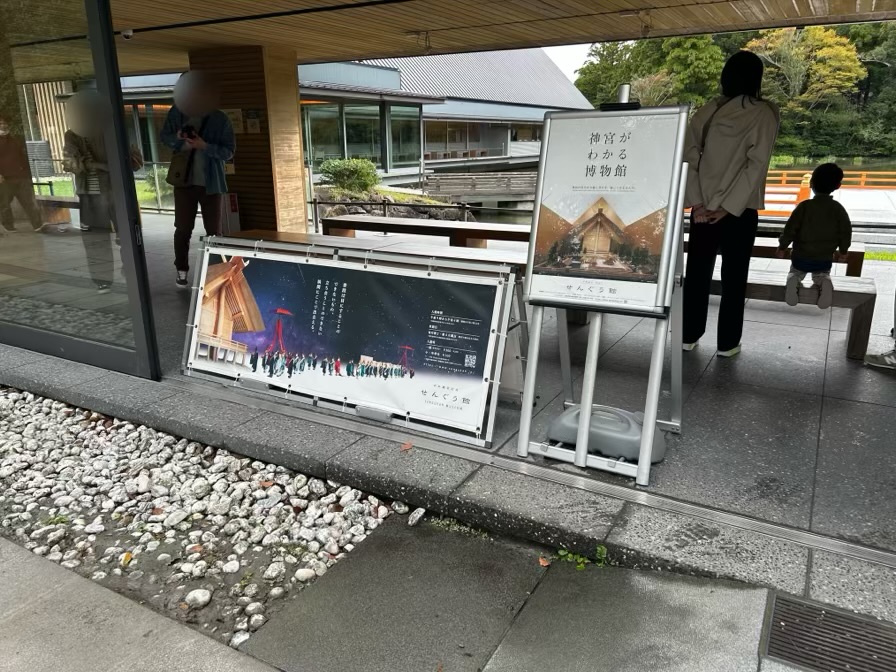
If you’re visiting Ise Jingu’s Geku, the Sengukan Museum is a place you won’t want to miss.
I recently went there and was constantly amazed by the insights shared by the staff. I’m excited to share the fascinating world of the “Sengu” (the ritual rebuilding) – something you’d never discover just by ordinary worship!
伊勢神宮・外宮(げくう)を訪れたら、ぜひ立ち寄っていただきたいのが「せんぐう館」です。先日足を運んできたのですが、そこで伺った職員の方の解説が驚きの連続でした。私たちが普段お参りしているだけでは絶対に気づけない、遷宮(せんぐう)の奥深い世界をシェアします。
- Where you can experience the Sengu “in motion”
- The Highlight of Sengukan: A Full-Scale Mode of the Geku Main Shrine(せんぐう館の目玉:原寸大の「外宮正殿模型」)
- A rare privilege: Seeing details you can’t see at the actual shrine(本物よりも「近く」で見られる贅沢)
- “Yuiitsu Shinmei-zukuri”: Ancient Wisdom in Architecture(古代の知恵が詰まった「唯一神明造」)
- Surprising Differences Between Geku and Naiku!(内宮と外宮、実はここが違う!)
- “Yamatsukuri”: Looking 100 or 200 Years into the Future(100年先、200年先を見据えた「山作り」)
- The Staff’s Guided Tour is a Must!(職員による「展示ガイド」は必聴!)
- Guide Information
- Advice for Visitors(訪れる方へのアドバイス
Where you can experience the Sengu “in motion”
Every 20 years, Ise Jingu undergoes the “Shikinen Sengu,” the periodic rebuilding of its sacred structures.
You might think the next Sengu is still a long way off, but the ceremonies for the next cycle have already begun.
In may 2025, the “Yamaguchi-sai” festival was held to mark the very beginning of the process, followed by a sacred ritual in June to fell the timber for the new shrine. Right now, Ise is entering an exciting period as preparations for the Sengu are officially in full swing.
伊勢神宮では20年に一度、社殿を新しく造り替える「式年遷宮」が行われます。
「次はまだ先では?」と思われがちですが、実は次回の遷宮に向けた行事はすでに始まっているんです。
2025年(今周期の5月)には、遷宮の始まりを告げる「山口祭」などが行われ、6月には御用材を伐採する大切な儀式も執り行われました。まさに今、伊勢は遷宮に向けて本格的に動き出している熱い時期なのです。
The Highlight of Sengukan: A Full-Scale Mode of the Geku Main Shrine(せんぐう館の目玉:原寸大の「外宮正殿模型」)
As soon as you enter, you’ll be overwhelmed by the sheer scale of the full-size model of the Geku Shoden (Main Shrine). It’s worth visiting the museum just to see this.
Unfortunately, photography is not allowed inside, so I can’t share any photos here – but that’s all the more reason to go and see its incredible detail with your own eyes.
館内に入って一番圧倒されるのが、外宮正殿(げくうしょうでん)の原寸大模型です。これを見るためだけでも、入館する価値があります。(館内は写真撮影不可のため、写真がありません)
A rare privilege: Seeing details you can’t see at the actual shrine(本物よりも「近く」で見られる贅沢)
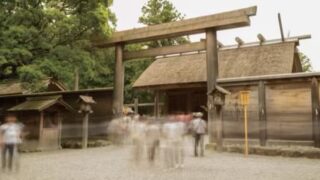
Normally, when you visit the Geku, the Main Shrine is hidden behind several sacred fences, so you can only offer your prayers from a distance.
The lower half of the structure is completely out of sight, and the details of the roof often appear faint and distant. But at the museum, you can see every single detail clearly!
However, here at the museum, you can observe every detail from the ground to the very tip of the roof from just inches away. I was told that this is the only place in the world where you can see the Main Shrine from such a close distance.
通常、外宮の御正宮をお参りする際は、板垣(垣根)に囲まれているため、遠くからしか拝めません。建物の下半分は見えませんし、屋根の詳細も霞んでしまいます。
しかし、ここでは目の前数センチの距離で、地面から屋根の先までじっくり観察できます。この距離感で正殿を見られるのは、世界中でここだけだそうです。
“Yuiitsu Shinmei-zukuri”: Ancient Wisdom in Architecture(古代の知恵が詰まった「唯一神明造」)
This architectural style, which preserves the appearance of shrines from about 1,500 years ago, has some incredible features:
約1,500年前の姿を伝えるこの建築様式には、驚くべき特徴がありました。
Hottate-bashira (Embedded Pillars): Instead of using foundation stones, the pillars are placed directly into deep holes in the ground. Looking at the model, you can feel the strength of the pillars, which are buried 1 to 1.5 meters underground.
掘立柱(ほったてばしら): 礎石を使わず、地面に直接穴を掘って柱を立てています。模型で見ると、地面の下1~1.5メートルまで柱が埋まっている力強さが分かります。
• 2-Meter Thick Thatched Roof: Since fire is never used in the deity’s shrine, the Japanese pampas grass (susuki) is laid with incredible thickness (up to 1.4 to 2 meters!) to prevent moisture.
2メートルの茅葺屋根: 神様の御社では火を使わないため、湿気を防ぐためにススキが驚くほどの厚み(最大約1.4~2メートル!)で葺かれています。
• Katsuogi (Log Weights): The logs lined up on the roof are called Katsuogi, each weighing about 400kg. This weight is intentional—as the wood dries and shrinks over 20 years, the heavy roof presses down on the wall planks to prevent any gaps from forming.
重さを計算した「鰹木」: 屋根に並ぶ丸太(鰹木)は、1本約400kg。あえてこの重みを利用し、20年かけて木が乾燥して縮んでも、壁板を上から押さえつけて隙間ができないように設計されているそうです。
Surprising Differences Between Geku and Naiku!(内宮と外宮、実はここが違う!)
One of the most interesting parts of the staff’s talk was the subtle differences between the two shrines:
職員さんのお話で面白かったのが、両宮の細かな違いです。
• Chigi (Roof Finials): At Geku, the tips are cut vertically (“Soto-sogi”), while at Naiku, they are cut horizontally (“Uchi-sogi”).
屋根の先端(千木): 外宮は垂直に切る「外削ぎ」、内宮は水平に切る「内削ぎ」。
• Suedama (Colored Orbs): Even the arrangement of the five-colored decorative orbs on the railings differs between Geku and Naiku.
五色の玉(据玉):欄干にある飾り玉の配置も、実は外宮と内宮で異なります。
“Yamatsukuri”: Looking 100 or 200 Years into the Future(100年先、200年先を見据えた「山作り」)
What touched my heart the most was the story of the Japanese cypress (Hinoki) used for construction. There was a time when large timber was scarce, forcing the shrine to rely on wood from other regions. However, 100 years ago (during the Taisho era), the “Yamatsukuri” project began to once again grow Hinoki in the forests of Ise.
The mountains are being protected at this very moment so that “300 years from now, all the timber for the Sengu can be sourced from Ise.” I realized that the Sengu is not just a rebuilding process—it is a magnificent baton pass to the future.
最後に心に響いたのが、材料となる「ヒノキ」のお話です。
かつては大径木(たいけいぼく)が不足し、他の地域の木に頼っていた時期もありましたが、100年前の大正時代から伊勢の山で再びヒノキを育てる「山作り」が始まっています。
「300年後の遷宮で、すべて伊勢の木を使えるように」と、今この瞬間も山が守られている……。遷宮とは、単なる建て替えではなく、未来への壮大なバトンタッチなのだと実感しました。
The Staff’s Guided Tour is a Must!(職員による「展示ガイド」は必聴!)
The highlight of my visit was the explanation provided by the museum staff. For about 15 minutes in front of the model, they share the history of the Sengu and the secrets of its architecture in an easy-to-understand way.
今回、私が最も感動したのが職員さんによる解説です。模型の前で15分ほど、遷宮の歴史や建築の秘密を分かりやすく話してくださいます。
Guide Information
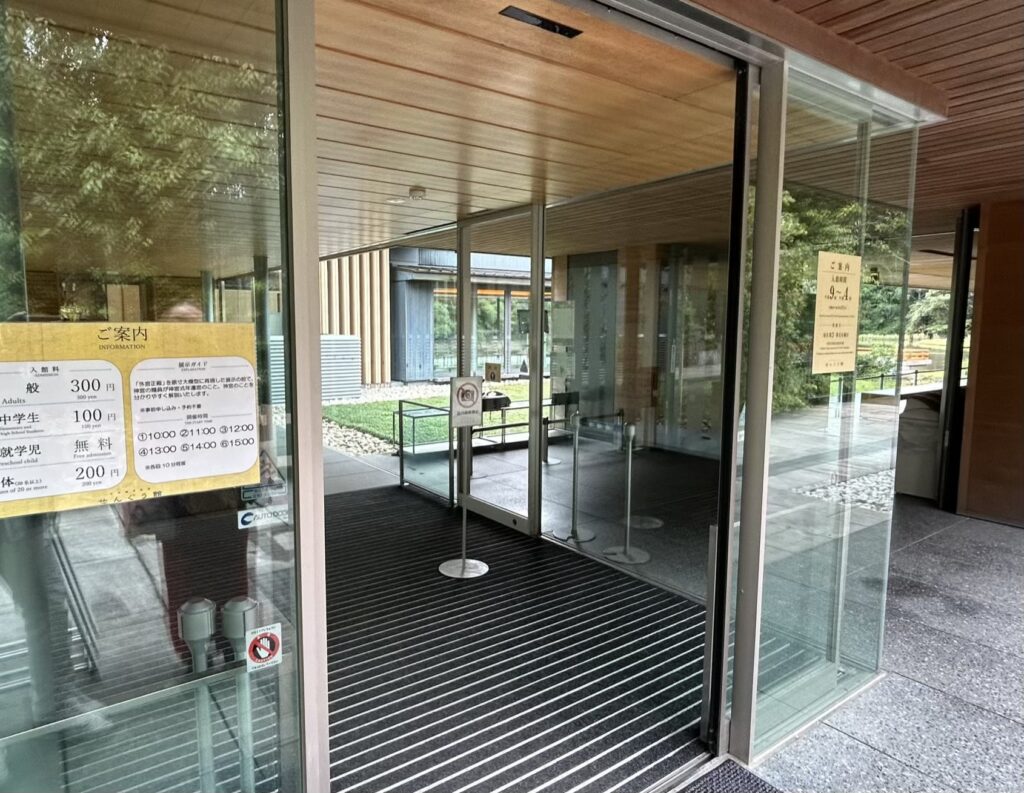
• Tour Title: Geku Shoden Full-Scale Model Guide
• Fee: Free (Museum admission fee required)
• Language: Japanese only
• Start Times: 10:00 / 11:00 / 12:00 / 13:00 / 14:00 / 15:00
• Note: No reservation required. Just gather in front of the model at the scheduled time
・外宮正殿原寸大模型ガイド
・料金:無料(入館料は別途必要)
・言語:日本語のみ
・開始時間:10:00 / 11:00 / 12:00 / 13:00 / 14:00 / 15:00
・備考:予約不要。時間に合わせて模型前へ集まればOK
Advice for Visitors(訪れる方へのアドバイス
• English Audio Guides Available: Don’t worry if you are with friends from overseas! English audio devices are available for rent, allowing everyone to deeply understand the history and techniques.
• Ask the Staff Questions: If you can catch a guided tour, you’re lucky! But even outside those times, the staff members are very kind. If you have any questions, feel free to ask.
I felt that the Sengu is supported not only by advanced technology but by the “Magokoro” (sincere heart) of people thinking hundreds of years ahead. Stopping by here before you visit the Geku will completely change your perspective on your worship!
・英語音声ガイドあり: 海外からのお友達と一緒でも安心です。英語音声の機器がレンタル可能なので、この深い歴史や技術をしっかり理解してもらえます。
• 職員さんに質問してみよう: 解説の時間に居合わせたらラッキーですが、それ以外でも職員の方はとても親切です。気になることがあればぜひ質問してみてください。
遷宮を支えるのは、高度な技術だけでなく、何百年先を想う人々の「真心」なのだと感じました。外宮をお参りする前にここへ寄ると、参拝の時の視点がガラリと変わりますよ!

これはCTAサンプルです。
内容を編集するか削除してください。